
Effective Digital Marketing for Small Stores
In today’s competitive market, effective digital marketing for small stores is no longer optional—it is essential for survival and growth. Small retail businesses often struggle to attract customers due to limited budgets and low visibility. Digital marketing solves this problem by offering affordable, targeted, and measurable ways to reach the right audience.
With the right strategies, even a small local store can compete with larger brands online. From social media marketing to local SEO and paid advertising, digital platforms help small stores build trust, increase foot traffic, and drive online sales. Understanding how to use digital tools correctly is the key to sustainable business success.

Effective Digital Marketing for Small Stores is no longer optional in today’s competitive online world; it is a necessity for survival and growth. Small shop owners often believe digital marketing is expensive or complicated, but with the right strategy, it becomes simple, affordable, and highly effective. This guide is designed to help store owners understand how Effective Digital Marketing for Small Stores works step by step and how it can bring real customers to their business.
The first instruction is to identify your target audience clearly. Knowing who your customers are allows Effective Digital Marketing for Small Stores to focus on the right platforms such as Google, Facebook, or Instagram. The second step is building a strong online presence through local SEO, social media pages, and a Google Business Profile. These tools help customers find your shop quickly.
Another important instruction in Effective Digital Marketing for Small Stores is creating consistent and valuable content. Posting offers, product updates, and customer reviews builds trust. Finally, track your results and improve continuously. When followed correctly, Effective Digital Marketing for Small Stores turns small shops into visible, trusted, and profitable local brands.
Why Digital Marketing Is Important for Small Stores
Levelling the Playing Field
Digital marketing allows small stores to compete with big brands without huge investments. Smart targeting and local strategies make competition fair and achievable.
Cost-Effective Promotion
Traditional advertising is expensive, while effective digital marketing for small stores offers affordable options like social media ads, email campaigns, and local SEO.
Measurable Results
Digital marketing provides real-time data. Small store owners can track clicks, visits, leads, and conversions easily.
Local SEO
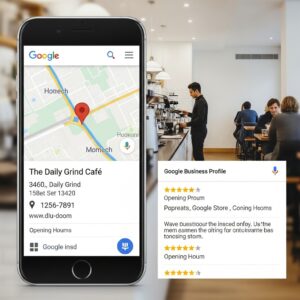
Google Business Profile Optimisation
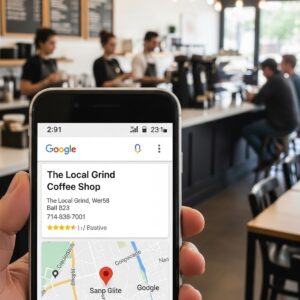
A well-optimised Google Business Profile helps small stores appear in local searches and Google Maps.
Local Keywords Usage
Using location-based keywords such as “near me” or city-specific terms improves search rankings.
Customer Reviews Matter
Positive reviews increase trust and help improve local SEO rankings.
Social Media Marketing for Small Stores
Choosing the Right Platform
Facebook, Instagram, and WhatsApp Business work best for small stores due to high engagement and local reach.
Consistent Posting Strategy
Posting product photos, offers, and customer stories builds brand awareness and loyalty.
Engaging With Customers
Replying to comments and messages builds trust and encourages repeat business.
Content Marketing That Builds Trust
Educational Content
Sharing tips, guides, and product usage ideas positions your store as an expert.
Visual Content
Photos and short videos perform better than text alone.
Blogging for Traffic
Blogs help improve SEO and bring organic visitors to your website.
Paid Advertising for Faster Results
Social Media Ads
Facebook and Instagram ads allow small stores to target nearby customers effectively.
Google Ads for Local Searches
Running ads for high-intent keywords brings immediate visibility.
Budget Control
Paid ads allow full budget control, making them ideal for small businesses.

Email Marketing for Customer Retention
Building an Email List
Collect emails through offers, discounts, or loyalty programs.
Personalized Campaigns
Personalised emails improve open rates and conversions.
Promotions and Updates
Emails are perfect for sharing sales, new arrivals, and events.
Mobile-Friendly Website Is a Must
Responsive Design
Most customers browse on mobile, so your site must load fast and display properly.
Clear Call-to-Action
Buttons like “Call Now,” “Visit Store,” or “Order Online” increase conversions.
Simple Navigation
Easy navigation improves user experience and reduces bounce rates.
Influencer and Community Marketing
Micro-Influencers
Local influencers are affordable and highly effective for small stores.
Community Engagement
Partnering with nearby businesses strengthens brand presence.
User-Generated Content
Customer photos and testimonials build social proof.
Analytics and Performance Tracking
Tracking Customer Behaviour
Analytics help understand what works and what doesn’t.
Optimizing Campaigns
Adjust strategies based on data to improve performance.
ROI Measurement
Digital marketing makes it easy to calculate return on investment.
Common Mistakes Small Stores Should Avoid
Ignoring Local SEO
Without local optimisation, stores miss nearby customers.
Inconsistent Branding
Brand inconsistency confuses customers and weakens trust.
No Strategy or Planning
Random posting without goals leads to poor results.
Future of Digital Marketing for Small Stores
The future of effective digital marketing for small stores lies in personalisation, automation, and AI-driven tools. Customers expect quick responses, personalised offers, and seamless experiences. Small stores that adopt these trends early will gain a strong competitive advantage.
Conclusion
Effective digital marketing for small stores is the most powerful way to grow visibility, attract customers, and increase revenue. By combining local SEO, social media marketing, content creation, paid advertising, and customer engagement, small stores can build a strong online presence without overspending. The key is consistency, strategy, and continuous improvement. Digital marketing is not a one-time effort—it is an ongoing process that delivers long-term success when done correctly.