Modern Growth of Digital Commerce Systems
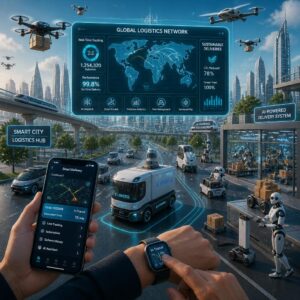
The rise of e-commerce platforms has made Online Delivery one of the most essential parts of modern business infrastructure across global markets. Online Delivery has changed customer expectations by offering fast, convenient, and technology-driven access to products without physical visits. Businesses now depend on structured logistics networks to handle orders, track shipments, and ensure smooth fulfillment processes. One important low-competition bidimensional keyword in this sector is fast delivery system, which highlights the importance of speed and efficiency in modern logistics. Companies are investing heavily in automation, AI-based routing, and digital platforms to improve performance and customer satisfaction. Online Delivery is not just a service anymore but a complete ecosystem that connects sellers, buyers, and delivery agents through real-time systems. Online Delivery also helps small businesses compete with large enterprises by giving them access to digital marketplaces and automated order handling tools. Customers now expect transparency, instant tracking, and secure payment systems in every transaction. Mobile applications and web-based platforms have made it easier for users to order products anytime and anywhere. Another supporting keyword is apps, which represents the mobile technology used for ordering and tracking deliveries. Businesses using apps benefit from higher engagement and better customer retention rates. Urbanization and digital transformation continue to increase demand for fast and reliable delivery solutions. With growing competition, companies are focusing on improving service quality and operational efficiency. The continuous expansion of online commerce ensures that Online Delivery remains a critical part of modern digital economies. Online Delivery is now deeply connected with lifestyle convenience, making it one of the fastest-growing sectors in global markets today.
Types of Digital Logistics and Service Models
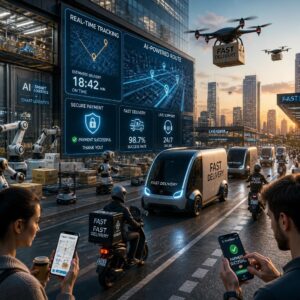
Modern logistics systems include multiple service categories designed to meet different customer needs and business operations. Online Delivery plays a central role in food services, retail shipping, courier networks, and on-demand transportation systems. Online Delivery platforms ensure smooth coordination between customers, businesses, and delivery agents through automated systems and real-time communication tools. A powerful multidimensional keyword used in this industry is advanced online food ordering platform, which describes structured systems used by restaurants and cloud kitchens. The keyword advanced online food ordering platform shows how automation improves order management, reduces errors, and increases customer satisfaction. Another important supporting term is apps, which represents mobile-based systems used for ordering, tracking, and payment processing. Apps make it easy for users to access services quickly and efficiently from their smartphones. Grocery delivery, parcel shipping, and express courier services are also part of modern logistics systems. Online Delivery has expanded beyond food and retail into healthcare, electronics, and subscription-based services. Online Delivery continues to grow because it provides convenience, time-saving solutions, and better accessibility for customers. Subscription delivery models are also gaining popularity, offering regular supply of essential goods directly to homes. Courier systems handle document transfers, parcel delivery, and business logistics with efficiency and accuracy. Businesses using apps benefit from improved customer interaction and better service management. As digital platforms evolve, service categories are becoming more specialized and flexible. The expansion of Online Delivery systems ensures that customers receive faster, safer, and more reliable services across different industries. The combination of technology and logistics continues to transform traditional service models into modern digital ecosystems.
System Framework and Technological Operations
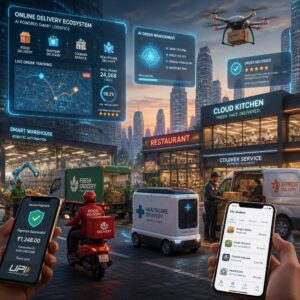
The backbone of modern logistics depends on advanced system architecture that connects users, delivery agents, and businesses through digital workflows. Online Delivery systems operate using real-time tracking, automated dispatch, and intelligent routing technologies. Online Delivery ensures that orders are processed quickly and delivered efficiently through optimized logistics networks. A key multidimensional keyword in this system is smart courier dispatch management system, which represents advanced tools used for assigning deliveries and tracking performance. The keyword smart courier dispatch management system helps improve operational efficiency by reducing delays and optimizing delivery routes. Another important one-tail keyword is courier, which refers to the physical movement of goods and documents between sender and receiver. Cloud-based systems support Online Delivery platforms by storing data securely and enabling real-time communication. Online Delivery also relies on GPS tracking systems, artificial intelligence, and predictive analytics to enhance performance. Customers benefit from dashboards that show order status, delivery time, and payment updates. The integration of courier services ensures smooth transportation of goods across different locations. Businesses use analytics tools to monitor performance, improve delivery speed, and reduce operational costs. Automated warehouses and smart inventory systems help manage stock and reduce manual errors. The use of smart courier dispatch management system improves accuracy and ensures faster delivery cycles. As technology evolves, Online Delivery continues to become more intelligent, scalable, and efficient. Online Delivery systems are now a vital part of global digital commerce, connecting millions of users daily through advanced technological infrastructure.

Benefits, Challenges, and Market Influence
Digital logistics systems have created major advantages for businesses and consumers worldwide. Online Delivery provides convenience by allowing users to order products anytime without visiting physical stores. Online Delivery improves business scalability by enabling companies to manage large order volumes efficiently through automation. A supporting one-tail keyword is apps, which represents mobile platforms used for ordering and tracking services. Apps help improve user experience by offering easy navigation, secure payments, and real-time updates. Online Delivery also supports business growth by expanding customer reach and improving service accessibility. However, there are challenges such as high competition, rising operational costs, and system delays. Traffic congestion, weather conditions, and technical issues may affect delivery timelines. Data security and payment protection are also important concerns in digital systems. Businesses must invest in advanced encryption and secure platforms to protect user information. Despite these challenges, companies continue improving systems through automation and artificial intelligence. Online Delivery remains competitive because it offers unmatched convenience and speed compared to traditional methods. Customer expectations continue to rise, forcing businesses to improve efficiency and service quality. The use of apps has made digital ordering more accessible and user-friendly for millions of users. Companies that successfully manage logistics challenges achieve better customer satisfaction and long-term growth. The continuous evolution of Online Delivery ensures its importance in modern markets, shaping how consumers interact with businesses globally.

Future Innovation and Global Expansion Trends
The future of logistics is being shaped by automation, artificial intelligence, and advanced digital technologies. Online Delivery will continue to evolve as businesses adopt smarter systems for faster and more reliable services. Online Delivery is expected to integrate drones, autonomous vehicles, and AI-driven logistics solutions in the coming years. A key bidimensional keyword is fast delivery system, which represents the growing demand for speed and accuracy in modern logistics. The multidimensional keyword smart courier dispatch management system will remain important as companies focus on automation and operational efficiency. The one-tail keyword courier will continue representing essential physical delivery operations within digital ecosystems. Sustainability is also becoming a major focus, with companies adopting eco-friendly transportation methods. Smart warehouses and automated storage systems will improve efficiency and reduce human errors. Online Delivery will benefit from predictive analytics that help businesses forecast demand and optimize resources. Hyperlocal delivery models and subscription-based services will continue expanding in urban areas. Real-time tracking and communication systems will improve transparency and customer trust. Online Delivery will become more personalized, faster, and more efficient due to technological advancements. The integration of smart systems ensures that Online Delivery remains a driving force in global commerce. As innovation continues, Online Delivery will redefine how goods and services are distributed across industries worldwide, making it a key pillar of modern digital economies.